
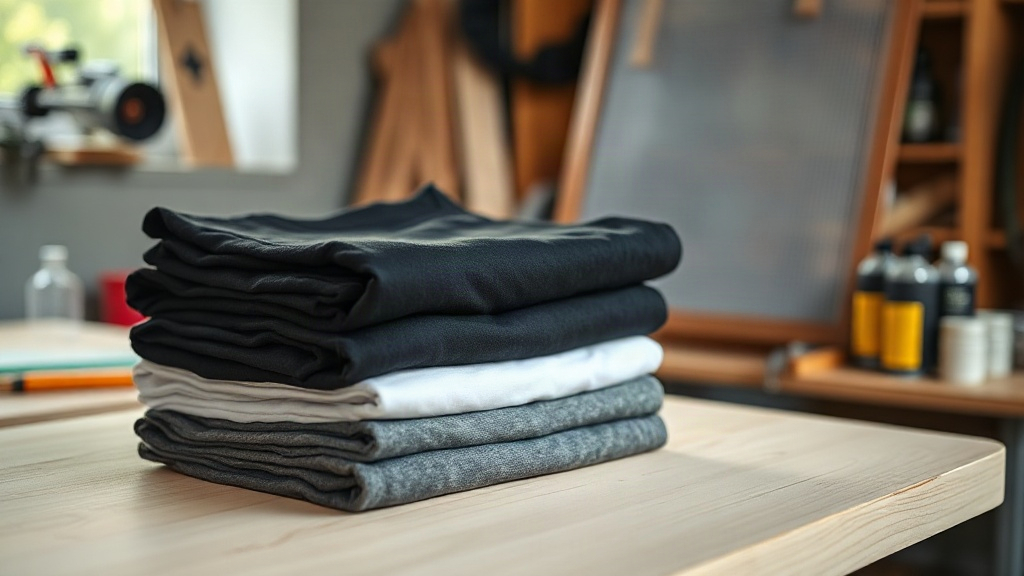
Ordering apparel for a team, a store, or a family reunion usually starts with good intentions and ends with a box of shirts nobody wants to wear twice. The difference between a drawer filler and a garment people reach for on purpose comes down to three things: the blank itself, the decoration method, and how honestly you match both to the people wearing them. That is exactly where a Shaka Wear blank and a well planned Custom Premium Shirt project can quietly outperform whatever generic option is sitting in your supplier's catalog.
Why the Blank Matters More Than the Design
Most buyers spend hours on the logo and five minutes on the shirt. It should be the other way around. A heavyweight cotton tee with a tight knit holds a print cleanly, keeps its shape after washing, and feels substantial enough that people treat it like real clothing rather than promotional swag. A thin, loosely knit blank does the opposite: the print cracks, the collar waves, and the shirt ends up as a painting rag within a month.
Shaka Wear built its reputation on exactly that gap. Their tees lean toward heavier fabric weights and boxier, streetwear friendly cuts, which is why they show up in skate shops, barbershops, and small brand drops rather than only in corporate giveaways. When you start a Custom Premium Shirt project on that kind of blank, you are already ahead of the most common failure point.
Fabric weight, in plain terms
Fabric weight is measured in ounces per square yard, and it tells you more about how a shirt will behave than any marketing label.
- 4.0 to 4.5 oz: Light and breathable, good for warm climates and fitted retail looks, but it shows print imperfections and drapes thinly.
- 5.0 to 5.5 oz: The everyday middle ground. Comfortable, holds shape reasonably well, and takes most decoration methods without complaint.
- 6.0 oz and up: Heavyweight territory. Structured, opaque, and durable. This is where most premium and streetwear blanks live, and where prints look their sharpest.
If your group will wear the shirt weekly, go heavier. If it is a one-time event tee in July, lighter is fine and cheaper.
Cotton, blends, and what each does for printing
100% cotton takes dye deeply and feels soft against skin, but it can shrink slightly on the first wash, so pre-shrunk options are worth the small premium. Cotton and polyester blends resist wrinkling and hold color longer, which matters if the shirt will be washed hard. Tri-blends feel lighter and have a slightly heathered, vintage look that suits casual branding better than crisp corporate logos.
One practical note from experience: if you are printing fine detail or small text, a smoother, tighter knit surface gives you noticeably cleaner edges. Rougher, slubby fabrics add texture that can swallow thin lines.
Choosing a Decoration Method That Actually Lasts
The same artwork can look premium or cheap depending on how it is applied. There is no single best method, only the right one for your design and your quantity.
Screen printing
Best for bold designs, solid colors, and larger runs. Each color needs its own screen, so setup costs make small orders expensive per unit, but at 50 pieces and up the price per shirt drops sharply. Plastisol inks sit on top of the fabric and stay vivid for years. Water-based inks soak in and feel softer but fade more gradually with heavy washing.
DTG and DTF printing
Direct-to-garment printing shines for full-color, photographic, or highly detailed artwork, and it makes one-off and small batch Custom Premium Shirt orders realistic. The trade-off is durability: DTG prints on dark cotton can look slightly muted and tend to fade faster than screen print. DTF transfers handle bright colors on dark fabric better and are a solid middle option, though the print has a faint film feel if you run your fingers over it.
Embroidery
For polos, caps, jackets, and anything meant to look formal, embroidery wins. It is durable almost to a fault and reads as genuinely premium. The catch is detail: small text, thin lines, and gradients do not translate well, so simplify the artwork before you send it. Left chest logos work far better than large back panels.
Vinyl and heat transfer
Great for names, numbers, and single-color designs, and ideal when you need a handful of shirts fast. Cheap vinyl peels at the corners after a few washes, so ask what material is being used. Quality heat transfer vinyl on a heavyweight blank can last years with proper care.
Getting the Fit and Sizing Right
Nothing kills a good shirt faster than a fit nobody wants. Ordering one size up across the board is a common mistake that leaves smaller wearers swimming in fabric.
A better approach: collect actual sizes from the people wearing them, then order a couple of extras in the two most common sizes. For unisex styles, remember that a unisex medium is roughly equivalent to a women's large in many lines. If the shirt is for resale rather than a team, check the brand's size chart against a shirt your customers already own instead of guessing from generic charts.
Also decide on the cut before you order. A boxy, relaxed fit suits casual and streetwear branding. A fitted or tapered cut reads more polished and works better under a jacket. These are design decisions, not afterthoughts.
Making Your Artwork Print Ready
Most print problems start in the file, not the press. A few habits prevent nearly all of them.
- Work in a vector format for logos and text so the artwork scales without blurring.
- Convert fonts to outlines, or send the font files along with the design.
- Keep important elements away from seams, collars, and side hems.
- Check contrast against the shirt color. Dark navy ink on a black tee disappears in real light even if it looked fine on screen.
- Ask for a physical proof or a single sample shirt before committing to a full run.
That last point is the one people skip and later regret. A sample costs a fraction of a reprint and tells you exactly how the ink sits on that specific fabric.
Caring for a Printed Shirt So It Lasts
You can add years to a decorated shirt with small changes in laundry habits.
- Wash inside out in cold water. Heat is the main enemy of both cotton fibers and printed ink.
- Skip the dryer or use low heat. Air drying preserves print integrity and prevents shrinkage.
- Do not iron directly over the print. If you must iron, turn the shirt inside out or use a pressing cloth.
- Avoid fabric softener and bleach, which break down inks and dull colors.
- Fold rather than hang heavy cotton tees, which can stretch shoulders over time.
These are the same habits that keep a Custom Premium Shirt looking new after a full season of wear, which matters when the shirt represents your brand in public.
How to Compare Quotes Without Getting Fooled
A low unit price means little if the blank is thin or the print fails in three months. When comparing vendors, ask the same four questions of each: what is the exact blank and fabric weight, which decoration method is included, what is the minimum order, and what happens if a print is defective. A supplier who answers all four clearly is usually the safer choice, even at a slightly higher price.
It also helps to order a single sample before a large run. Wear it, wash it three times, and judge it then. That small test tells you more than any spec sheet.
Frequently Asked Questions
What makes a custom premium shirt different from a regular printed tee?
The blank does most of the work. A premium shirt typically uses heavier fabric, tighter knitting, and better stitching, then pairs that with a decoration method suited to the design. The result is a shirt that keeps its shape and print quality after repeated washing, rather than one that looks worn out after a few cycles.
How many shirts should I order for a small team?
Order exactly the sizes you need plus two or three spares in your most common sizes. Going far above that ties up money in inventory that may sit unused. If you are using screen printing, though, it often makes sense to reach the next price break, since the setup cost is already paid.
Can I put a small logo on a heavyweight cotton tee?
Yes, and it usually looks great. For a small left chest logo on heavy cotton, embroidery or screen printing both work well. Embroidery adds a raised, textured look, while screen printing keeps the surface flat. Avoid tiny text below about 6 millimeters tall in embroidery, since it can fill in and become unreadable.
Will the print crack after washing?
It can, but the cause is usually heat, harsh detergent, or a low quality ink and application, not the concept of printing itself. Wash inside out in cold water, avoid the dryer, and skip fabric softener. Prints applied correctly to a quality blank routinely survive years of normal wear under those conditions.
Is it worth paying more for a premium blank?
If the shirt will be worn regularly or represents your business in public, yes. The cost difference per unit is usually small, while the difference in how long the shirt stays wearable is large. For a one-off event where the shirt is a keepsake, a mid-weight blank is often a reasonable compromise.