
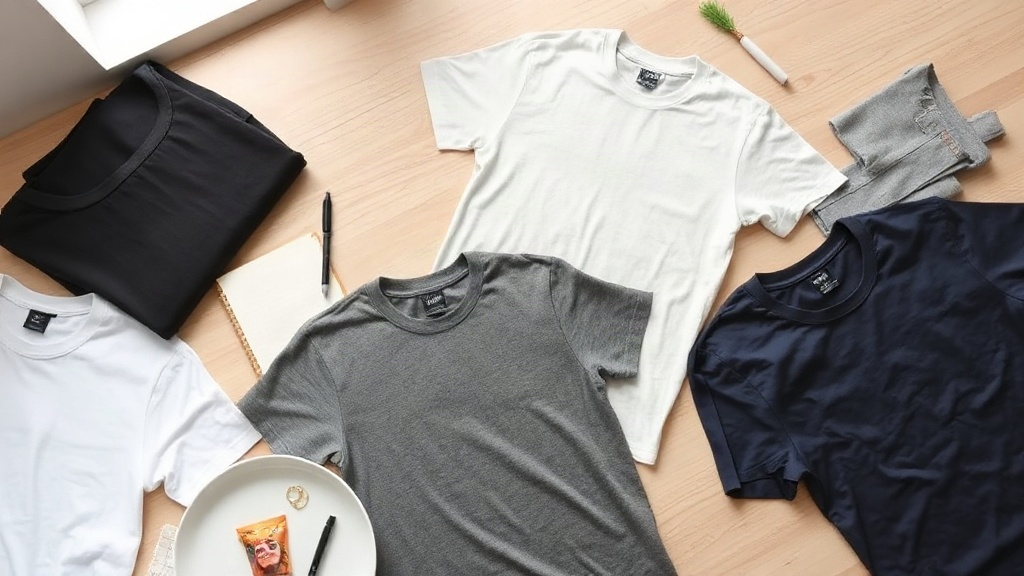
You've seen them everywhere: the perfectly fitted graphic tee that looks like it was made just for the wearer, the corporate team shirt that actually looks good, the band merch that feels personal. That's the power of custom shirts. But creating one that you'll actually want to wear goes beyond picking a design and hitting print. It's about understanding fabrics, fits, printing methods, and the little details that separate a shirt you tolerate from one you reach for every week. Whether you're a business owner looking to outfit your team, an event organizer wanting memorable swag, or just someone with a great idea for a t-shirt, this guide will walk you through the entire process. And if you're searching for high-quality blanks, shaka wear offers a range of options that professionals trust. Let's dive in.
Why Custom Shirts Are More Than Just Merch
Custom apparel has evolved from a promotional afterthought to a core part of personal branding and corporate identity. A well-designed shirt communicates values, creates a sense of belonging, and can even become a walking billboard for your cause or business. But the difference between a shirt that gets worn and one that sits in a drawer often comes down to quality and thoughtfulness in the design process.
When you invest in custom shirts, you're not just buying fabric; you're creating an experience. The feel of the cotton, the accuracy of the print, the durability of the stitching—all these factors matter. That's why it's crucial to partner with suppliers who prioritize quality, like shaka wear, known for their consistent blanks that take prints beautifully and hold up wash after wash.
Choosing the Right Blank: Fabric and Fit
The foundation of any great custom shirt is the blank itself. You can have the most stunning design, but if the shirt feels rough or shrinks after one wash, it won't get worn. Here's what to consider.
Fabric Matters
Cotton is the go-to for most custom shirts, but not all cotton is created equal. Look for ring-spun cotton, which is softer and more durable than standard carded cotton. For a smoother, more polished look, consider a cotton-poly blend—it resists wrinkles and holds color well. If you're aiming for a premium feel, tri-blends (cotton, polyester, rayon) offer a vintage softness that's hard to beat. Shaka wear offers a variety of fabric options, so you can match the material to your intended use.
Fit Is Personal
Gone are the days when one boxy fit ruled them all. Today, you can choose from slim, regular, relaxed, and even oversized fits. Think about who will wear the shirt and how they prefer their clothes to fit. For a modern look, a slightly tapered fit works well; for a comfortable, casual vibe, go relaxed. If you're ordering for a group, consider offering a couple of fit options to accommodate different body types.
Designing Your Shirt: From Idea to Artwork
Before you get to printing, you need a design that works. Whether you're a skilled graphic designer or someone who struggles to draw a stick figure, there are tools and tips to help.
Keep It Simple and Scalable
The best shirt designs are often the simplest. Bold typography, minimal illustrations, and clever use of negative space tend to print better and look more professional. Avoid overly intricate details that might get lost or require expensive printing techniques. Vector files (like .ai or .eps) are ideal because they can be scaled without losing quality.
Color Considerations
Think about how your design will look on different shirt colors. A design that pops on a white shirt might disappear on a dark one. If you're set on a dark shirt, consider adding a white outline or using lighter colors. Also, remember that the fabric color can slightly alter the appearance of your ink colors, so request a sample or digital mockup before committing to a large order.
Printing Methods: Which One Is Right for You?
There are several printing techniques for custom shirts, each with its own strengths and ideal use cases.
- Screen Printing: The most common method for bulk orders. It's cost-effective for large quantities, offers vibrant colors, and is durable. However, it requires a separate screen for each color, so it's best for simple designs with few colors.
- Direct-to-Garment (DTG): Ideal for complex, full-color designs and small batches. It works like an inkjet printer for fabric, but the print may fade faster than screen printing and works best on 100% cotton.
- Heat Transfer/Vinyl: Great for small runs and personalized items. It's quick and allows for intricate details, but the feel can be a bit rubbery and may crack over time.
- Embroidery: Adds a premium, textured look, perfect for polos and left-chest logos. It's durable but can be more expensive and less suited for large, detailed designs.
Consider your budget, timeline, and design complexity when choosing a method. If you're unsure, many printers offer samples so you can feel the difference.
Working with a Printer: Tips for a Smooth Process
Once you have your design and blank selected, it's time to find a printer. Here's how to make the collaboration successful.
Ask the Right Questions
Before placing an order, ask about minimum quantities, turnaround times, and available color options. Also, inquire about their experience with the specific fabric you've chosen—some printing methods work better on certain materials. A reputable printer will be transparent and offer guidance.
Request a Sample
Never order a large batch without seeing a sample first. A sample allows you to check the print quality, color accuracy, and how the shirt feels. It's a small investment that can save you from a costly mistake.
Understand the Costs
Pricing for custom shirts depends on quantity, number of colors, printing method, and shirt type. Generally, the more you order, the lower the per-unit cost. But don't sacrifice quality for a lower price—remember, the shirt represents you or your brand.
Caring for Your Custom Shirts
To keep your shirts looking great, follow these care tips:
- Wash inside out in cold water to protect the print.
- Avoid using bleach or fabric softener, which can degrade the ink.
- Tumble dry on low or hang dry to prevent shrinking and cracking.
- Iron inside out, avoiding the printed area.
With proper care, a high-quality custom shirt can last for years, becoming a favorite in your rotation.
Frequently Asked Questions
How much do custom shirts cost?
The cost varies widely based on quantity, design complexity, and printing method. For a basic one-color screen print on a standard cotton tee, expect to pay around $8–$15 per shirt for orders of 50 or more. Small batches with DTG printing may cost $20–$30 per shirt. Always request a quote from your printer for accurate pricing.
What's the best fabric for custom shirts?
It depends on your needs. 100% ring-spun cotton is soft and breathable, ideal for everyday wear. Cotton-poly blends are durable and resist wrinkles, great for corporate uniforms. Tri-blends offer a vintage, ultra-soft feel. Consider the intended use and personal preference.
Can I print on dark shirts?
Absolutely. However, you'll need to use a white underbase for screen printing or DTG to ensure the colors show up vibrantly. Some printing methods, like heat transfer vinyl, can be applied directly to dark fabrics without an underbase, but the design may have a different feel.
How long does it take to get custom shirts made?
Turnaround time depends on the printer and order size. Small orders with DTG might be ready in 2–5 business days, while large screen-printed orders can take 2–3 weeks. Always confirm timelines before ordering, especially for events.
Do custom shirts shrink?
Most cotton shirts will shrink slightly after the first wash, typically about 3–5%. To minimize shrinkage, wash in cold water and tumble dry on low. Pre-shrunk fabrics are available and can reduce this issue. Always check the care label.